What if the secret to a successful implantation isn’t just reaching a specific number on an ultrasound, but rather cultivating a highly oxygenated, low-inflammation environment for your embryo to thrive? If you’ve been navigating the stress of a thin lining or the fear of a cancelled cycle while researching ways of improving uterine lining for transfer Homestead, you know how overwhelming it feels to wait for a measurement that doesn’t seem to budge. It’s frustrating when standard protocols don’t yield the results you need, leaving you searching for answers amidst a sea of conflicting online advice.
We believe that preparing your body for pregnancy requires a more nuanced, systemic approach than just increasing your medication dosage. In this guide, we’ll explore how a clinical, multi-modal strategy can help you achieve a healthy trilaminar lining of 7mm or more. You’ll discover how specialized therapies like fertility laser, ozone, and hyperbaric oxygen work in harmony to optimize blood flow and cellular health. By shifting your focus toward proactive, evidence-based support, you can transform the “wait” period into a time of empowerment and preparation for a successful pregnancy.
Key Takeaways
- Understand why endometrial thickness is only one part of the success equation and how to focus on the “window of implantation” for better receptivity.
- Learn how clinical modalities like Fertility Acupuncture and Laser Therapy work to downregulate the nervous system and increase vital blood flow to the uterine arteries.
- Discover the role of advanced oxygenation through Ozone and Hyperbaric Oxygen Therapy in fostering healthy tissue growth and supporting a receptive environment.
- Explore how a tailored strategy for improving uterine lining for transfer Homestead integrates functional medicine and targeted nutritional support beyond basic prenatal vitamins.
- Gain clarity on creating an intentional 4-to-8 week preparation window that coordinates seamlessly with your local Miami IVF clinic’s protocol.
Understanding Uterine Receptivity: Why Lining Quality Matters for Transfer
The journey toward a successful pregnancy often centers on a specific biological milestone: uterine receptivity. This refers to the brief period, known as the “window of implantation,” when the endometrium (uterine lining) is perfectly primed to receive and support an embryo. While many focus solely on a single measurement during an ultrasound, true receptivity is a complex interplay of thickness, blood flow, and molecular signaling. When we discuss improving uterine lining for transfer Homestead, we’re looking at the entire environment, ensuring it’s prepared to nurture life.
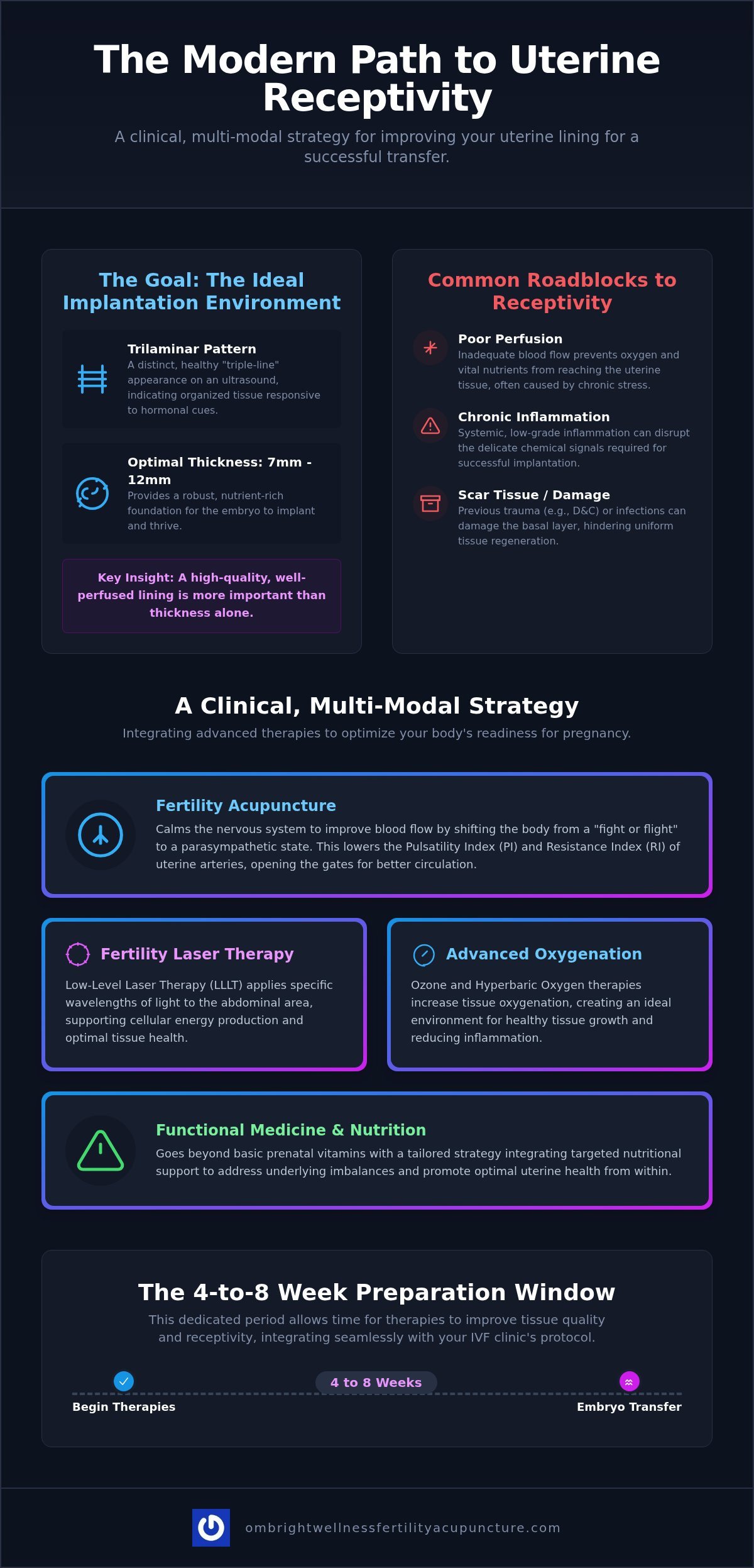
During your monitoring appointments, your specialist looks for more than just a number. They’re searching for a “trilaminar” or “triple-line” appearance. This distinct pattern suggests that the tissue is organized and healthy, responding well to hormonal cues. However, several factors can compromise this delicate process:
- Poor Perfusion: Inadequate blood flow prevents oxygen and vital nutrients from reaching the tissue.
- Chronic Inflammation: Low-grade systemic inflammation can disrupt the chemical signals needed for successful implantation.
- Scar Tissue: Previous trauma to the uterine wall can create physical barriers to healthy, uniform growth.
The Ideal Lining for a Successful Embryo Transfer
In most clinical settings, a thickness of 7mm to 12mm is considered the benchmark for proceeding with a transfer. While some pregnancies do occur with a thinner lining, reaching that 7mm threshold provides a more robust foundation for the embryo. It’s helpful to remember that a thick lining isn’t a guarantee of success if the internal environment is suboptimal. A lining can be thick but “echo-dense” or irregular, which might indicate that the tissue isn’t in its most receptive state. We focus on the quality of that growth, ensuring the layers are distinct and the blood supply is rich.
Common Causes of Thin Uterine Lining
Understanding why a lining might struggle to grow is the first step in a supportive care plan. For some, low estrogen levels or a poor response to synthetic hormones can limit development. For others, the issue is more systemic. Chronic stress can trigger a sympathetic nervous system response that constricts blood vessels, reducing the flow of oxygen to the uterus. Additionally, previous medical procedures like a D&C or past infections can sometimes damage the basal layer of the tissue, making it harder for the lining to regenerate each cycle. Identifying these root causes is essential when you’re focused on improving uterine lining for transfer Homestead.
Improving Blood Flow and Lining Quality with Acupuncture and Laser Therapy
While hormonal protocols provide the chemical signals for growth, the physical delivery of those hormones depends entirely on vascular efficiency. For those focused on improving uterine lining for transfer Homestead, addressing blood flow is a critical step that traditional medicine often overlooks. By utilizing clinical fertility acupuncture Miami, we can shift the body from a “fight or flight” state into a parasympathetic state, which is essential for optimal organ perfusion.
How Acupuncture Enhances Endometrial Perfusion
High levels of cortisol can cause subtle vasoconstriction, limiting the amount of nutrient-rich blood reaching the uterus. Acupuncture helps lower the Pulsatility Index (PI) and Resistance Index (RI) of the uterine arteries, effectively “opening the gates” for better circulation. We typically recommend starting these sessions 4 to 8 weeks before your transfer date to ensure the tissue has ample time to respond. This systemic approach works alongside your IVF clinic’s protocol, creating a more welcoming environment for implantation. It’s a methodical way to ensure the lining isn’t just growing, but is also well-nourished.
Fertility Laser Therapy for Cellular Energy
Low-Level Laser Therapy (LLLT) offers a modern, high-tech layer of support. By applying specific wavelengths of light to the abdominal area, we can stimulate mitochondrial activity within the endometrial cells. This boost in cellular energy is vital for the repair and proliferation of the basal layer, especially if there’s been previous trauma or chronic thinness. As a cornerstone of non-invasive fertility treatment Miami, laser therapy provides a gentle yet powerful way to enhance tissue quality without adding the burden of more medication.
The combination of acupuncture and laser therapy creates a synergistic effect. While needles work on systemic regulation and vascular resistance, light energy addresses the health of the cells themselves. This dual-action approach is often the missing piece for patients who have struggled with stagnant lining growth in previous cycles. Beyond clinical treatments, maintaining a focus on nutrition and uterine health further supports these efforts by providing the raw materials needed for cellular repair. If you’re feeling stuck in your current cycle, exploring how these modalities can assist in improving uterine lining for transfer Homestead may offer the breakthrough you’ve been seeking.
Advanced Supportive Therapies: Ozone and Hyperbaric Oxygen for Receptivity
While increasing the volume of blood flow is a vital first step, the quality of the environment that blood creates is equally significant. For many women focused on improving uterine lining for transfer Homestead, the challenge isn’t just about thickness, but about overcoming tissue hypoxia. When the endometrial environment lacks sufficient oxygen, it can become a barrier to successful implantation. Advanced supportive therapies like Hyperbaric Oxygen and Ozone therapy offer a clinical way to address these deep-seated cellular needs, especially in refractory cases where traditional hormonal protocols have stalled.
Oxygenation and the Endometrial Environment
Tissue hypoxia, or a lack of oxygen at the cellular level, is often a hidden culprit in repeated implantation failure. Fertility Hyperbaric Oxygen Therapy (HBOT) addresses this by allowing you to breathe pure oxygen within a specialized, pressurized chamber. This pressure allows oxygen to dissolve directly into the blood plasma, reaching the deep layers of the uterus that standard circulation might miss. It’s a powerful catalyst for angiogenesis, which is the biological process of forming new, healthy capillaries.
When you visit our Miami-based clinical suite for an HBOT session, you can expect a calm, restorative experience. You’ll spend about 60 to 90 minutes in a comfortable, pressurized environment that feels much like a quiet nap. This concentrated oxygen delivery helps “wake up” dormant tissues and provides the energy needed for the lining to build a robust, receptive structure. It’s an ideal intervention for those who have struggled to reach the 7mm mark despite high doses of estrogen.
Fertility Ozone Therapy for Systemic Balance
Sometimes, the barrier to growth isn’t just a lack of oxygen; it’s the presence of chronic, low-grade inflammation. This inflammatory state can make the lining “unfriendly” to an embryo, even if the thickness appears adequate on an ultrasound. Fertility Ozone Therapy acts as a sophisticated immunomodulator. It helps regulate the immune response and boosts the body’s natural antioxidant systems, creating a more harmonious internal environment.
By integrating ozone into a broader holistic support for IVF patients Miami protocol, we address the systemic factors that influence uterine health. Ozone therapy helps clear oxidative stress, which can otherwise damage delicate endometrial cells. This dual-action approach—delivering pure oxygen through HBOT and balancing the immune environment through Ozone—provides a comprehensive strategy for improving uterine lining for transfer Homestead. These therapies work in tandem to ensure your “soil” is as nutrient-rich and receptive as possible before your embryo is transferred.
Functional Medicine and Nutritional Support for Uterine Health
While the physical and oxygen-based therapies we’ve discussed are foundational, your internal biochemistry provides the raw building blocks for tissue growth. Achieving the ideal environment for improving uterine lining for transfer Homestead requires moving beyond basic prenatal vitamins toward a targeted, clinical nutrition strategy. This functional approach ensures your body has the specific precursors needed to dilate uterine vessels and repair the endometrial basal layer, creating a more receptive “soil” for your embryo.
Key Nutrients and Peptides for Endometrial Growth
Specific compounds play a measurable role in how the lining develops. Nitric oxide precursors like L-arginine are often used to encourage vasodilation, helping the uterine arteries remain open and receptive. When paired with high-dose Vitamin E and Pentoxifylline, these nutrients work to reduce oxidative stress and improve the microcirculation within the uterine wall. These aren’t just supplements; they’re targeted interventions designed to optimize the systemic environment.
We also incorporate Peptides for Fertility into our supportive protocols. These short chains of amino acids act as biological messengers, signaling for cellular repair and regeneration where it’s needed most. Unlike a one-size-fits-all supplement list, we prioritize personalized dosing. This ensures your system isn’t overwhelmed but is precisely supported with the exact molecules needed for tissue proliferation and repair.
Diagnostic Testing for Root Causes
If you’ve experienced “unexplained” thin lining, there is often an underlying functional imbalance at play. We use Genova Labs diagnostics to look deeper into your systemic health, identifying markers of inflammation or nutrient deficiencies that might be stalling your progress. This comprehensive look at your biochemistry is a cornerstone of improving uterine lining for transfer Homestead, allowing us to move from guesswork to precision. Sometimes the issue stems from the gut-uterine axis, where poor absorption or microbiome imbalances create a pro-inflammatory state that hinders receptivity.
Addressing the nervous system is equally vital. Chronic stress can disrupt the delicate hormonal dance required for endometrial growth. Integrating mind body fertility support Miami helps regulate the hypothalamic-pituitary-ovarian (HPO) axis, ensuring your body feels safe enough to prioritize reproduction. By combining advanced diagnostics with targeted supplementation, we create a clear, evidence-based path forward. To explore how a personalized functional medicine plan can support your journey, consider beginning with holistic supportive care for IVF patients.
Preparing for Your Transfer in Homestead: A Local Integrated Care Plan
Success in a frozen embryo transfer (FET) cycle is rarely the result of a single intervention. Instead, it’s the culmination of intentional, systemic preparation that begins long before your scheduled transfer date. For those focused on improving uterine lining for transfer Homestead, we recommend a dedicated 4-to-8 week preparation window. This timeframe allows your body to respond to clinical therapies, giving the endometrial tissue sufficient time to build the necessary thickness and vascularity required for a receptive environment.
Coordinating with Your Miami IVF Clinic
We view ourselves as a supportive partner to your primary fertility medical team. It’s essential to communicate your integrated care plan with your reproductive endocrinologist to ensure every modality aligns with your specific medical protocol. We often coordinate our sessions around your clinical milestones, such as your baseline ultrasound and mid-cycle monitoring appointments. This ensures that therapies like acupuncture are timed precisely to support the follicular or proliferative phases of your cycle. By aligning our work with your doctor’s hormonal strategy, we create a unified front focused on your success.
For Homestead residents, managing the logistics of a fertility cycle can often feel like a second job. To reduce the “travel stress” associated with frequent trips to larger Miami clinics, we offer flexible scheduling that respects your time and energy. Minimizing the cortisol spikes caused by traffic and tight deadlines is a practical but vital part of maintaining the parasympathetic state needed for optimal uterine blood flow.
Your Personalized Receptivity Protocol
A truly integrated approach combines the various modalities we’ve discussed into a cohesive, manageable plan. This protocol often includes a strategic mix of the following:
- Clinical Acupuncture: Weekly or bi-weekly sessions to regulate the nervous system and lower uterine artery resistance.
- Fertility Laser and HBOT: Targeted light and oxygen therapies to boost cellular energy and promote the growth of new capillaries.
- Functional Guidance: Personalized nutritional support based on your unique biochemical needs and lab results.
Beyond the clinical metrics of improving uterine lining for transfer Homestead, there is a profound emotional benefit to this partnership. Moving through the “wait” period with a proactive plan helps replace anxiety with a sense of agency. You aren’t just waiting for your body to respond; you’re actively providing it with the resources it needs to thrive. If you’re ready to begin this intentional preparation, the next step is booking an initial consultation at Ombright Wellness. Together, we can build a foundation of health that supports your journey toward a successful pregnancy.
Cultivating the Foundation for Your Success
Navigating the path to a successful embryo transfer requires a delicate balance of clinical precision and patient care. By shifting your focus toward a multi-modal approach that prioritizes vascular health and cellular oxygenation, you’re doing more than just hitting a thickness benchmark. You’re creating a nurturing environment where your embryo can thrive. Whether you’re addressing stagnant growth through Fertility Laser therapy or optimizing systemic health with functional medicine, every proactive step brings you closer to your goal. It’s about transforming the wait into a period of intentional preparation.
Our specialized IVF support protocols are designed to work in harmony with your medical team, providing advanced therapies like HBOT and Laser to enhance receptivity. We’re proud to serve families in Homestead, Kendall, and the broader Miami area with a partnership mindset that values your well-being. If you’re ready to take an empowered step toward improving uterine lining for transfer Homestead, we’re here to guide you through each stage of the process.
Schedule your Uterine Receptivity Consultation at Ombright Wellness today and begin your journey with a steady, reliable companion by your side. You don’t have to navigate this complex process alone.
Frequently Asked Questions
Can acupuncture really help thicken a thin uterine lining?
Clinical acupuncture helps improve lining thickness by increasing blood flow to the uterine arteries and reducing vascular resistance. By downregulating the sympathetic nervous system, it allows nutrient-rich blood to reach the endometrium more efficiently. This process is essential for patients focused on improving uterine lining for transfer Homestead. It creates a more receptive environment by ensuring the tissue is well-oxygenated and capable of responding to hormonal signals from your medical protocol.
How many sessions of acupuncture do I need before an embryo transfer?
We generally recommend a preparation window of four to eight weeks before your scheduled embryo transfer. Most patients benefit from one to two sessions per week during this time to achieve cumulative benefits. This timeframe allows the tissue to regenerate and respond to the increased circulation. Since every individual’s response varies, we tailor the frequency based on your history of lining growth and the specifics of your current IVF cycle.
Is hyperbaric oxygen therapy safe during an IVF cycle?
Fertility Hyperbaric Oxygen Therapy is a non-invasive and safe supportive treatment when used during the preparation phase of an IVF cycle. It involves breathing pure oxygen in a pressurized environment, which helps deliver high levels of oxygen to deep tissues like the uterus. This process supports angiogenesis and cellular repair without interfering with your medical team’s procedures. It’s an excellent clinical tool for those who have experienced stagnant lining growth in previous cycles.
When should I start treatment to improve my lining for a transfer in Homestead?
The ideal time to begin your integrated care plan is one to two months before your frozen embryo transfer. Starting early allows enough time for therapies like laser and ozone to impact the basal layer of the endometrium. For residents searching for ways of improving uterine lining for transfer Homestead, beginning this 4-to-8 week window ensures we can address underlying inflammation or blood flow issues before your baseline monitoring appointments begin.
What is the best thickness for a frozen embryo transfer (FET)?
Most fertility clinics in the Miami area consider a thickness of 7mm to 8mm as the ideal threshold for proceeding with a transfer. While pregnancies can occur with thinner linings, reaching this range provides a more robust foundation for implantation. Beyond just the measurement, your doctor also looks for a “trilaminar” or triple-line appearance on the ultrasound. This specific pattern indicates that the lining is organized and receptive to an embryo.
Can ozone therapy help with chronic endometritis or inflammation?
Fertility Ozone Therapy is highly effective for addressing chronic low-grade inflammation or endometritis that might hinder implantation. It acts as a sophisticated immunomodulator, helping to balance the immune response and clear oxidative stress from the uterine environment. By reducing inflammatory markers, ozone therapy creates a more harmonious and welcoming space for the embryo. It’s often used alongside other supportive modalities to ensure the “soil” is as healthy as possible before transfer.
What foods or supplements actually help improve uterine blood flow?
Certain nutrients act as nitric oxide precursors to encourage vasodilation and improve uterine artery blood flow. We often recommend targeted supplements like L-arginine, Vitamin E, and Omega-3 fatty acids based on functional lab results. Incorporating foods like pomegranate, beet juice, and leafy greens can also support healthy circulation. It’s important to use a personalized approach rather than a general list to ensure you’re getting the right doses for your specific needs.
Will these treatments interfere with my estrogen or progesterone meds?
These supportive therapies don’t interfere with your estrogen or progesterone medications; instead, they’re designed to help your body respond more effectively to them. Modalities like acupuncture and laser therapy improve the delivery of these hormones to the uterine tissue by optimizing blood flow. We always coordinate with your Miami reproductive endocrinologist to ensure that every part of your integrated care plan works in perfect harmony with your prescribed medical protocol.